
Live Casino Evolution Gaming Style: Interface, Localisation, and Everyday Usability
The live casino evolution gaming style has settled into a familiar rhythm for Australian punters who want a human dealer, real cards, and a table that feels closer to a bricks-and-mortar venue than a static RNG lobby. Rather than chasing spectacle, the format leans on consistent camera work, readable layouts, and tables that behave the way a local club table should. We look at how that style holds up in day-to-day play, where the interface helps, and where the trade-offs show up.
How the live casino evolution gaming style shapes the table experience
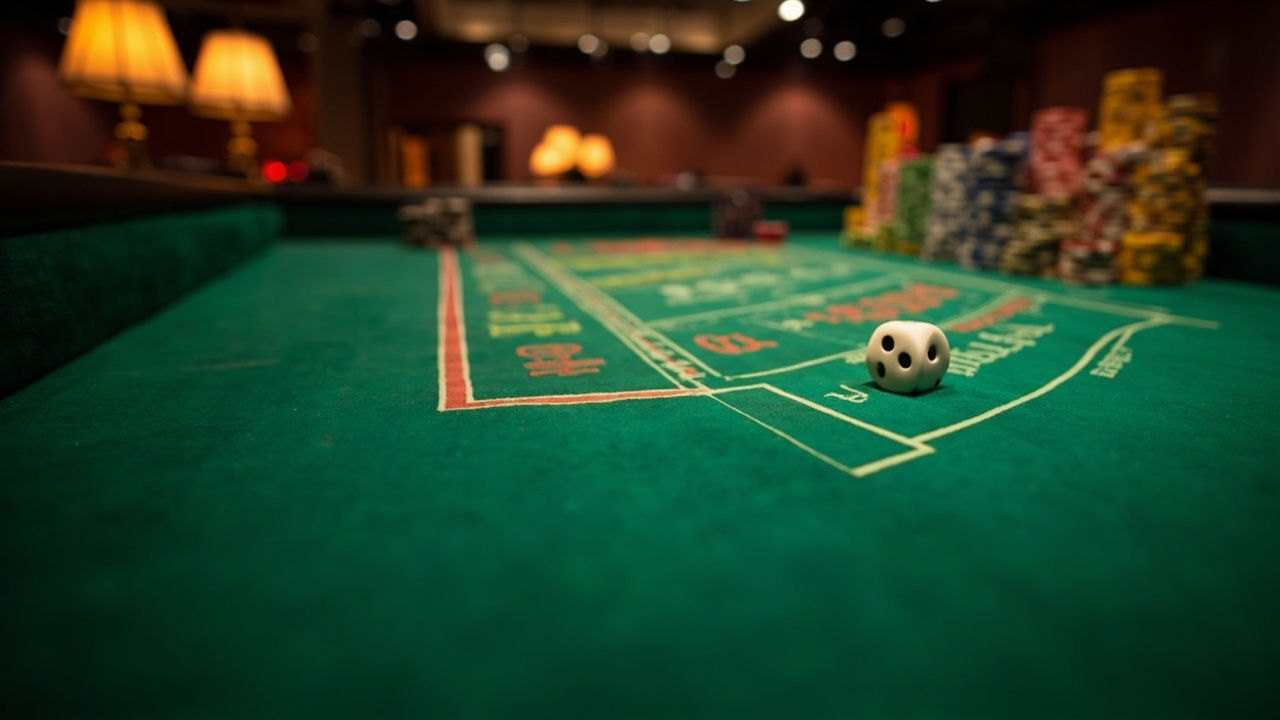
When a studio table adopts the live casino evolution gaming style, the priority is readability before anything else. The card shoe, the roulette wheel, and the dealer’s positioning all sit within a predictable frame, so a player scanning between bets does not need to relearn the layout on every hand. That consistency matters more than flashy overlays, because a busy table can bury the action behind widgets that compete with the actual game. Our own work connecting search requirements with engineering and large-platform architecture at Easygo across Stake and KICK has shown that interface stability is where most operators quietly win or lose; a table that loads cleanly and keeps its controls in the same place will outperform a noisier competitor on repeat visits, even when the game list is shorter.
The visual identity usually stays restrained. Neutral table felt, clear chip stacks, and a dealer who speaks plainly keep the focus on the round rather than the production. That restraint is a genuine strength for players who treat live tables as a regular session rather than a one-off novelty. The trade-off is that the same restraint can feel flat if an operator layers on too many side bets or promotional prompts that clutter the lower third of the screen. A good implementation keeps those extras optional and out of the way, so the main betting grid remains the easiest thing to hit on a phone or a laptop.
Localisation is where the style starts to separate serious operators from the rest. An Australian-facing table should show dollars, sensible stake steps, and language that does not read like a translated brochure. When the localisation is done properly, the table feels like it belongs to the market it serves; when it is rushed, the currency switcher, the help text, and the bonus terms all feel like they were bolted on after the studio went live.
| Detail | What to expect |
|---|---|
| Positioning | Studio-driven live tables with a consistent camera frame and a readable betting grid |
| Games and providers | Live blackjack, roulette, and baccarat tables built around the live casino evolution gaming style |
| Bonus mechanics | Matched welcome offers with wagering terms tied to specific table stakes and game restrictions |
| Payments and currencies | AUD-oriented deposits and withdrawals with common local payment methods where available |
| Registration | Short sign-up flow with identity checks before withdrawals, not after |
| Mobile | Same table layout reflowed for phone screens, with controls kept within thumb reach |
| Support | Live chat and email routes with response times that vary by operator and hour |
| Loyalty | Staged rewards that recognise table play rather than only slot turnover |
Interface, localisation, and everyday usability
Visual identity and navigation
A clean visual identity is the first thing that makes the live casino evolution gaming style feel dependable. The table should not look like it was dressed up for a launch and then abandoned; the same palette, the same chip styling, and the same dealer uniforms across sessions give players a sense that the room is stable. Navigation around the lobby matters just as much. A player should be able to move from one table to another without losing their stake settings or having to rebuild a bet from memory. That is the kind of structural detail that gets overlooked when teams focus on game count instead of flow.
We have seen the same pattern repeat when engineering teams wire a live table into a larger platform: the table itself can be excellent, but if the surrounding navigation forces extra taps or resets the bet slider, players leave before the first round finishes. The better implementations keep the lobby, the table selector, and the active game in a single continuous path, so the jump from browsing to playing feels ordinary rather than fiddly.

Language, currency, and market fit
Australian players notice currency and language quickly, because those are the details that tell you whether a table was built for the market or simply made available to it. AUD display should be consistent across the balance, the bet slip, and the history view, with stake steps that make sense for casual table play rather than only high-limit rooms. Language should be plain and direct, with help text that explains the round in practical terms instead of borrowing phrasing that sounds borrowed from another market.
The live casino evolution gaming style works best here when the operator resists the temptation to overload the table with regional specials that do not match the local player’s habits. A Melbourne player settling in for an arvo session usually wants a table that behaves predictably, not a rotating banner that changes the meaning of a bonus every few minutes. Where localisation is handled well, the table feels grounded; where it is handled poorly, even a good studio table can feel like it was stitched together for a different audience.
For players comparing mobile options, it helps to read a short practical note on how a deposit bonus behaves on a phone before committing to a table, because the same bonus can feel very different once the bet slip is reflowed onto a small screen mobile casino deposit bonus. That kind of detail is where the live casino evolution gaming style either earns its keep or exposes its limits, since the table may be solid but the surrounding bonus logic can still complicate a normal session.
Search, structure, and repeat use
Search and structure are the boring parts that decide whether a player comes back. A lobby that lets a player find a specific table by game, stake range, or dealer pace is more useful than one that buries everything behind generic categories. The same goes for the in-table controls: the bet slider, the deal button, the undo path, and the history view should all sit where a regular player can reach them without hunting. This is the kind of everyday usability that rarely gets praised, but it is exactly what keeps a live table from becoming a one-time click.
From a technical standpoint, the live casino evolution gaming style has to live inside a larger architecture that handles session state, payment routing, and account checks without making the table feel like a separate product. That is where our side of the work at Easygo across Stake and KICK tends to matter most: the search requirements and the platform architecture have to agree on what the player sees first, because a table that is excellent in isolation can still feel awkward if the path to it is cluttered or the account flow interrupts the round at the wrong moment.
As Liam Fraser, Senior Market Analyst, Wattle Gaming Partners, puts it, the operators that hold their live tables best are usually the ones that treat the lobby and the table as one product instead of two, because the player’s patience runs out faster than the dealer’s shoe. Aaron Harris, Marketing Director, Kangaroo Point Analytics, is more blunt about the local angle: an Australian-facing table that cannot show AUD cleanly and explain its own terms in plain language is already working harder than it should.
Who the live casino evolution gaming style suits best
The live casino evolution gaming style is a better fit for players who want a table they can read quickly and return to without relearning the interface each time. It suits someone who treats a live session as a regular habit rather than a spectacle, and who values a stable layout over a crowded feature list. It is less appealing for players who want a different visual mood on every visit, or who prefer a lobby that pushes novelty over consistency.
The everyday usability strengths are real, but they come with limits. A restrained table can feel repetitive if the operator does not balance it with enough stake variety or a sensible rotation of tables. Bonus terms can also narrow the appeal, because a table that is pleasant to play may still be restricted by game-specific wagering rules or stake caps that do not match how a player actually bets. The style itself is not the problem there; the surrounding terms are.
If you are weighing up where to sit down, start from a site that keeps its account flow and its table flow in the same direction, and check the practical details before you commit https://luckydreamaustralia.com. A table that feels right in the lobby is only half the story if the registration, payment, and support paths do not match the same standard.
Two mates at a café in Footscray, both nursing flat whites, summed it up more plainly. One said he reckons the live tables are only worth it when the layout stays put and the dollars make sense; the other replied that he de facto ignores any room where the bonus terms read like they were written for another market and then translated twice. No one mentioned a guaranteed run, because that is not how a table works, and the better operators do not pretend otherwise.
Comments are closed